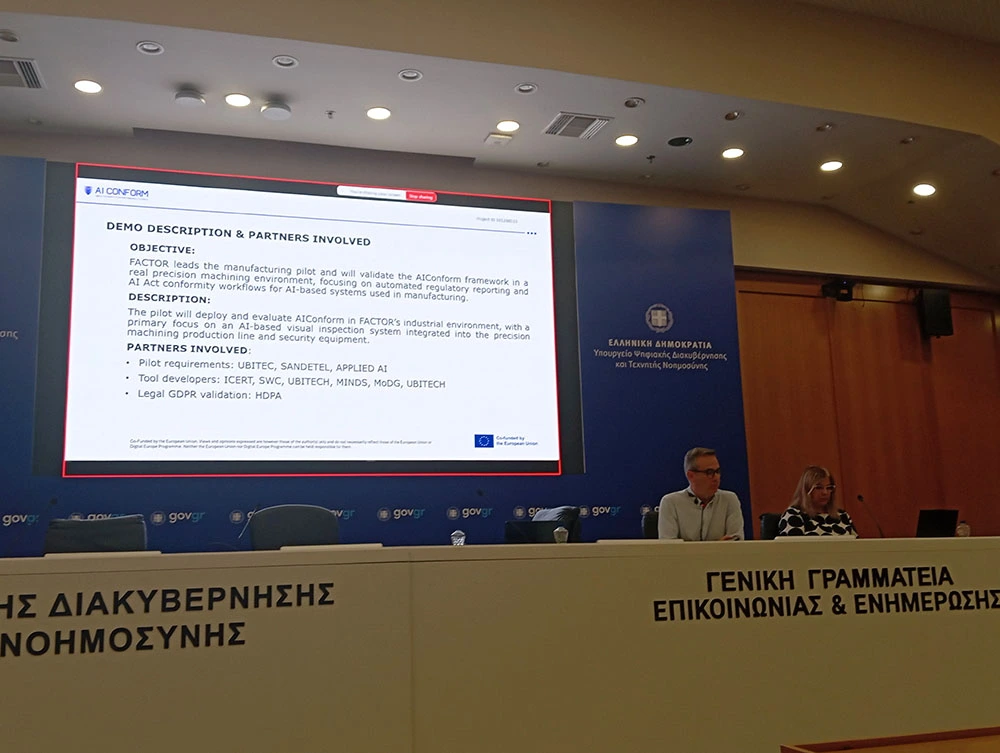
The FOTONIL24 project promotes More Than Moore integration through NIL technologies and galvanic-optical stacking for high-precision industrial applications
At Factor, we continue to advance our participation in strategic projects such as FOTONIL24, funded by the Center for Technological Development and Innovation (CDTI) in the 2024 call for proposals for the Science and Innovation Missions Program.
The project aims to develop and prototype a 3D integrated nanophotonic chip using More Than Moore technologies, designed for high-precision three-dimensional distance measurement in different industrial sectors.
3D integration and advanced technologies
FOTONIL24 combines advanced Nano Imprint Lithography (NIL) techniques and galvanic-optical wafer stacking, enabling innovative and highly efficient three-dimensional integration.
The More Than Moore approach allows different functionalities to be integrated into the same technological architecture, reinforcing its application in high-precision industrial systems.
The project has been developed in consortium with Photonic Sensors and Algorithms SL, Imasenic Advanced Imaging SL, NUTAI and Omnielectric.
Factor has worked on validating the vision technology developed in the project in a high-precision online metrology environment, reinforcing its industrial use and the integration of advanced real-time measurement and quality control systems.
Through FOTONIL24, we continue to advance in our commitment to technological innovation applied to industry, consolidating our participation in strategic R&D&I initiatives.
FACTOR Ingeniería y Decoletaje, S.L. has been awarded a grant by the Valencian Institute of Competitiveness and Innovation (IVACE+i) in the 2024 call for “Strategic Cooperation Projects”,within the framework of the Valencian Community European Regional Development Fund (ERDF) Program 2021–2027.
The VIMAX project aims to develop a high-precision online metrology device based on state-of-the-art digitizing cameras. This solution will allow parts with very strict tolerances to be verified at the same rate at which they are manufactured, enabling 100% of parts to be checked using the latest technology in artificial vision and data modeling, with manufacturing costs lower than those of systems currently available on the market.
During the first year of the project, the geometries necessary for determining the tolerances and accuracies required in measurements with depth maps and defect visualization with 3D reconstruction were selected, while also making progress in defining the specifications of the 3D cameras for image and data acquisition. The consortium measured the three parts using a touch-trigger metrology machine, obtaining precise measurements of each dimension of the part in order to validate the measurements obtained by vision against an established measurement system such as touch-trigger measurement.
Students from IES Molí del Sol and Colegio Nuestra Señora de Monte-Sión visit the facilities to learn about the workings of an industrial company and its professional opportunities
Factor recently welcomed students from various educational centres with the aim of bringing the industrial reality closer to students at different stages of their education and awakening technical vocations from an early age. This initiative reinforces the commitment to training young talent.
Specifically, the visit took place with vocational training students in Mechanical Manufacturing from IES Molí del Sol, as well as 1st and 2nd year Baccalaureate students from Colegio Nuestra Señora de Monte-Sión as part of the Dualiza Vocations Project, promoted by CaixaBank and channelled by FEMEVAL. In both cases, the visits were carried out with small groups of around 15 students for safety reasons, allowing direct contact with the different processes and areas of the company.
A comprehensive tour of the industrial reality
The visits were coordinated by the Human Resources department and followed a common structure designed to give students an overview of how an industrial company operates. In the first phase, Ana María Sánchez, Director of Human Resources, presented the company and its working model.
This was followed by a guided tour of the different departments - Innovation, Sales, Engineering, Production and Quality. The students were accompanied by engineers Alejandro Ibáñez and Francisco Rodríguez.
During the tour, special emphasis was placed on the different training pathways—vocational training and university—that lead to key profiles within the industry, as well as on the value of continuous training and the professional opportunities offered by the sector.
The visit ended with a brief evaluation survey, accessible via QR code, which provided first-hand insight into how the students had found the experience.
Inspiring vocations and supporting talent development
The main objective of these actions is to spark the interest of young people who are still defining their academic and professional future, directly showing them the diversity of profiles that coexist within the same industrial company and the real development opportunities offered by the metal sector, as well as the possibility of undertaking training internships.
‘We firmly believe in the value of these direct contacts with industry. Seeing the processes in operation, meeting the teams and understanding how a company is organised helps students make more informed decisions about their future,’ says Ana María Sánchez, who emphasises that these visits are part of an ongoing commitment to training and attracting talent in the medium and long term.
People at the heart of the Factor project
Beyond raising awareness of production processes, the visits allow students to experience Factor's corporate culture, which is based on caring for people as the cornerstone of business growth. The physical and emotional well-being of the team is part of this vision, with initiatives aimed at promoting health, participation and motivation.
‘Caring for people is much more than offering good working conditions: it means accompanying them, listening to them and creating spaces where they can grow, develop and feel part of a common project. Well-being cannot be improvised; it is built every day with small actions, empathy and commitment,’ says Ana María Sánchez.
These types of initiatives help to strengthen the connection between business and education, promoting training and bringing real opportunities closer to the younger generations.
Pioneering tests in a real industrial environment to promote safety through Extended Reality
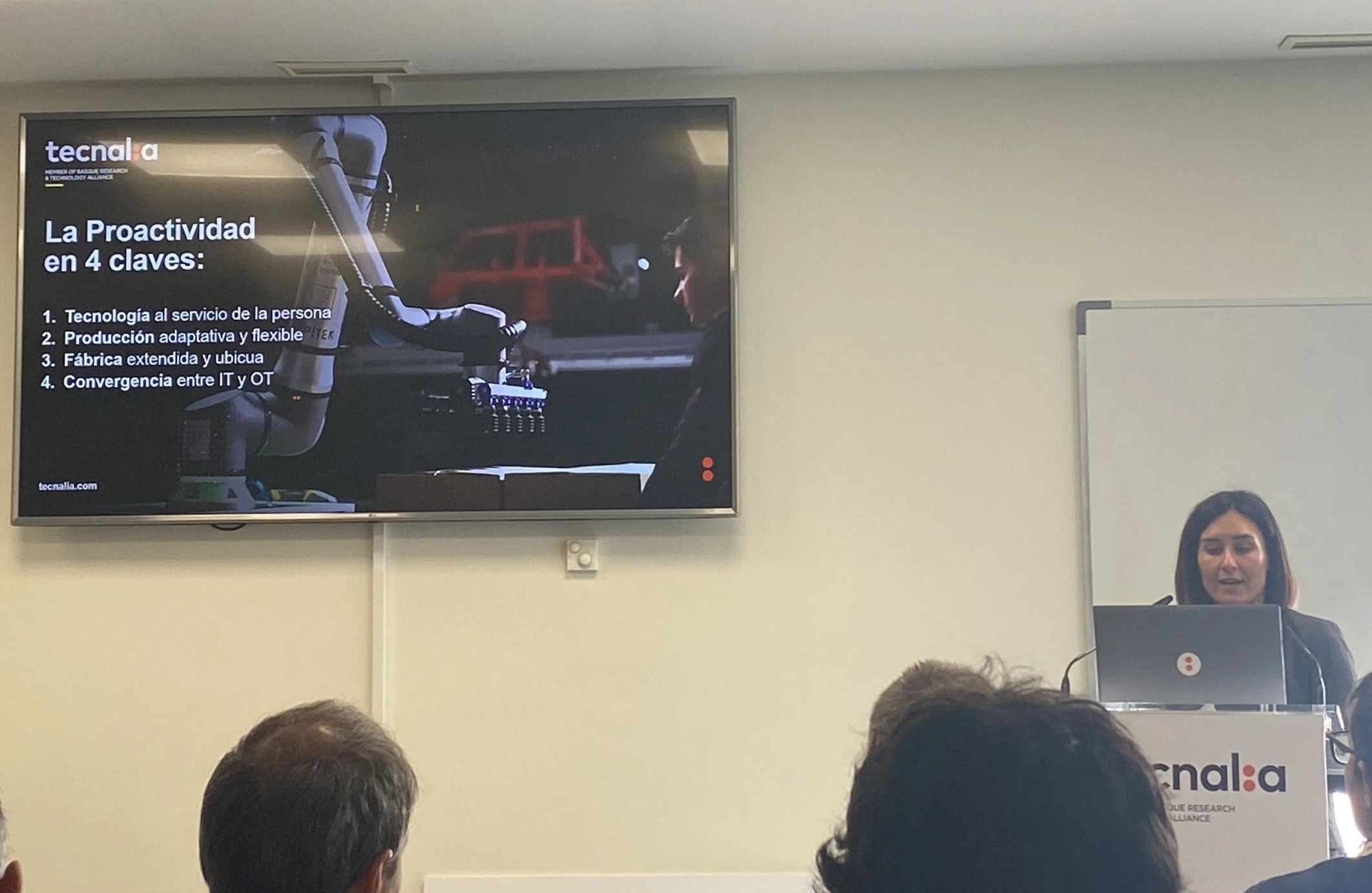
At Factor, we continue to advance our commitment to innovation applied to industry by participating in the European SUN project, an initiative that develops an integrated Extended Reality (XR) platform to improve safety, occupational health, and interaction in professional environments.
A leading industrial pilot project in Europe
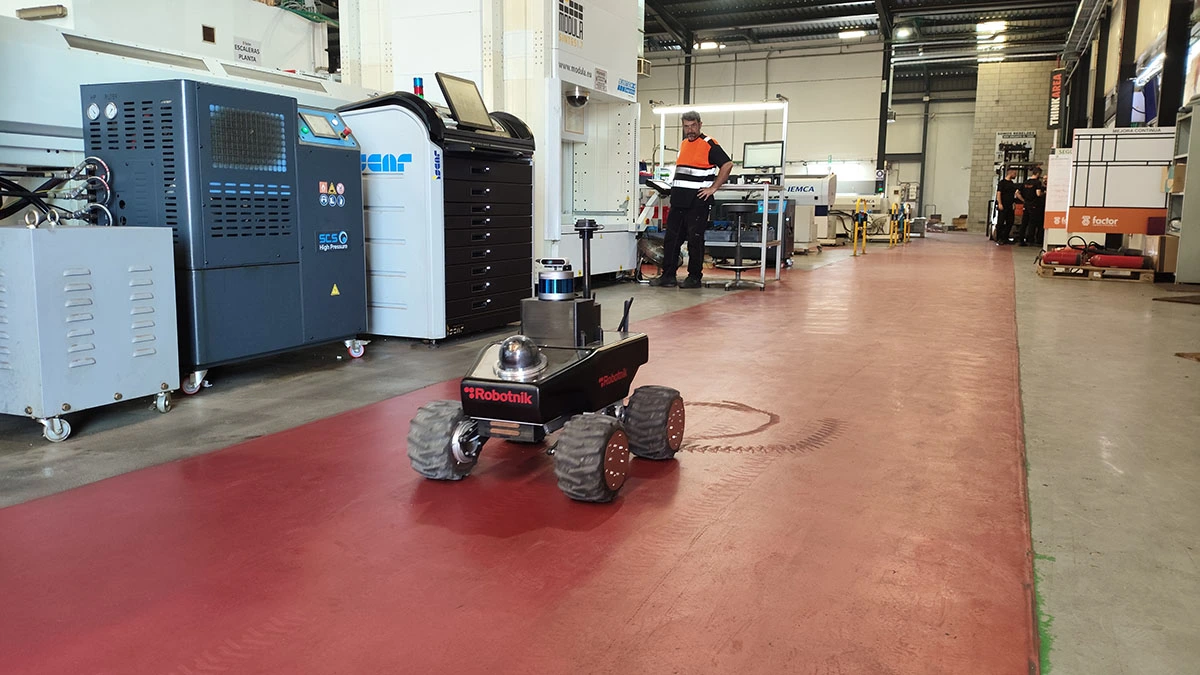
Factor has become the first of the three European sites -alongside Italy and Switzerland- to carry out the final validation phase with real users. This contribution is key for the consortium, which has been able to validate the technology in a 100% real and functional industrial setting, with real processes and equipment in operation.
In this context, operators, technical staff, and prevention trainers have tested the XR platform in real working conditions. Unlike other pilots geared toward medical rehabilitation environments, the validation at Factor has been carried out entirely in a productive environment, involving a team of more than ten professionals.
“For the SUN project, having validations in a real industrial environment is crucial and has allowed us to obtain valuable information about the applicability of XR in the manufacturing sector and its ability to improve safety and efficiency in critical processes”, explained Alfredo Giménez, Director of Innovation.
Positive validation results
The assessment of this phase has been very positive. For the Factor team, it has been an opportunity to interact with cutting-edge technologies and see first-hand how they can support their daily work. The participants have been fully involved and their real-time feedback has been essential for the project developers.
The experience has allowed us to observe how technology adapts to the needs of industrial work, becoming more intuitive, useful, and accessible. “It has been a motivating experience for everyone, allowing us to visualize how safety training and industrial safety management will evolve”, said Pablo Rocamora, Head of Innovation Projects.
The transformative potential of XR in industry
Extended Reality has great transformative potential in the short term. Its application allows for:
Recreating risk simulations without real exposure.
Improving training in critical situations.
Facilitate maintenance or assembly tasks through guided remote assistance.
Reduce the margin for human error.
Streamline the execution of processes in the plant.
All of this contributes to a safer, more efficient, and more connected work environment, in line with the natural evolution of the sector.
Next steps for the project
Following validation at our facilities, a detailed analysis of the data and comments collected has been carried out and shared with the other project partners in order to make the final adjustments to the XR platform and ensure that it meets the needs identified.
At the same time, internally, we are analyzing ways to integrate these XR technologies into training programs and safety protocols, thereby reinforcing our commitment to an increasingly safe, advanced, and innovative industrial model.
A distinction that highlights leadership in business growth
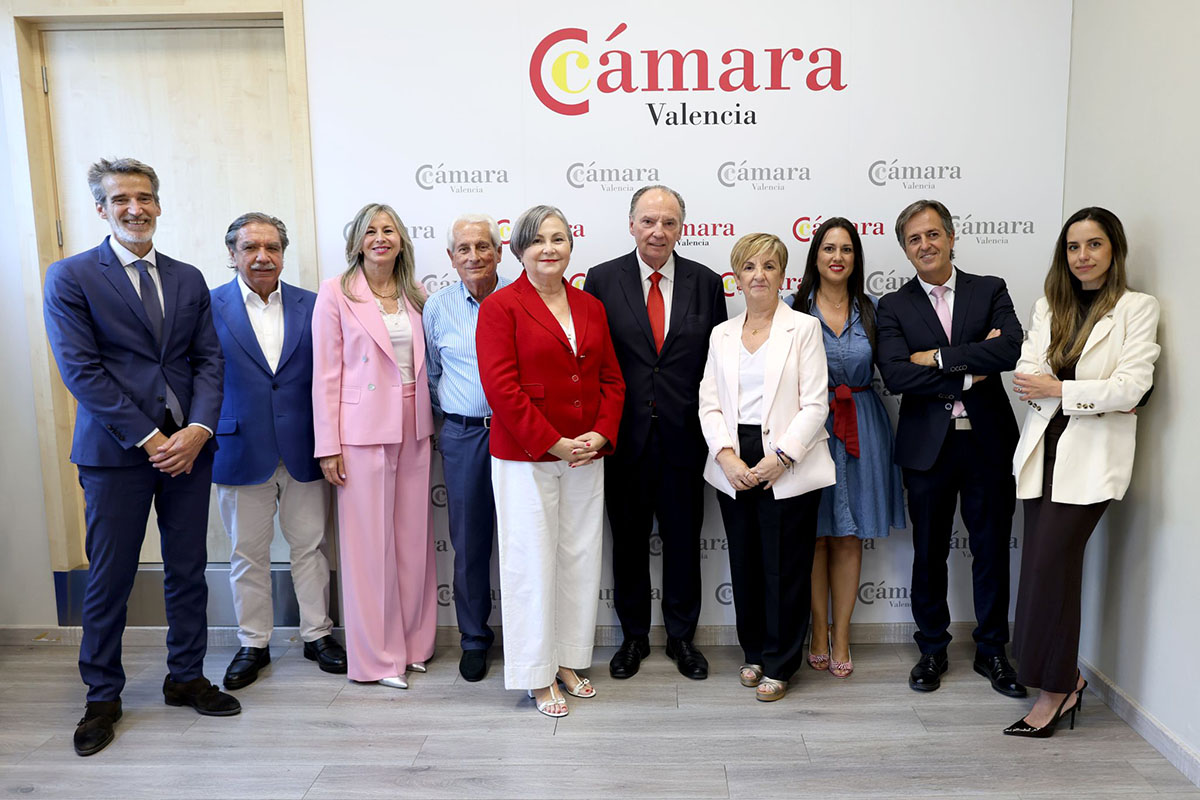
Factor has been selected as one of the CEPYME500 companies, a distinction awarded annually by the Spanish Confederation of Small and Medium-Sized Enterprises (CEPYME) to the 500 Spanish companies with the greatest potential for growth, projection and impact on the national productive fabric.
The awards ceremony took place at the Madrid Stock Exchange, in an event that brought together representatives from around a hundred companies selected in this edition. Fernando Gastaldo Lázaro, CEO of Factor, was responsible for collecting the award on behalf of the company.
"For Factor, this recognition is an incentive to continue advancing with technical rigour, a vision for the future and a commitment to adding value to Spanish industry", said Fernando Gastaldo.
Factor's inclusion in CEPYME500 highlights our commitment to innovation and industrial excellence, the result of a fully integrated value chain that ranges from R&D&I and product design to advanced manufacturing. This model allows us to continue growing steadily, boosting industrial competitiveness and generating quality employment.
At Factor, we are grateful for this recognition, as well as for the efforts of our entire team and the trust placed in us by our customers and partners. These are essential elements for continuing to advance our goal: to develop high-value industrial solutions with precision, technology and proximity.