Visit to Tecnalia and CEIT to Explore Advances in Robotics, Artificial Intelligence and Applied Engineering
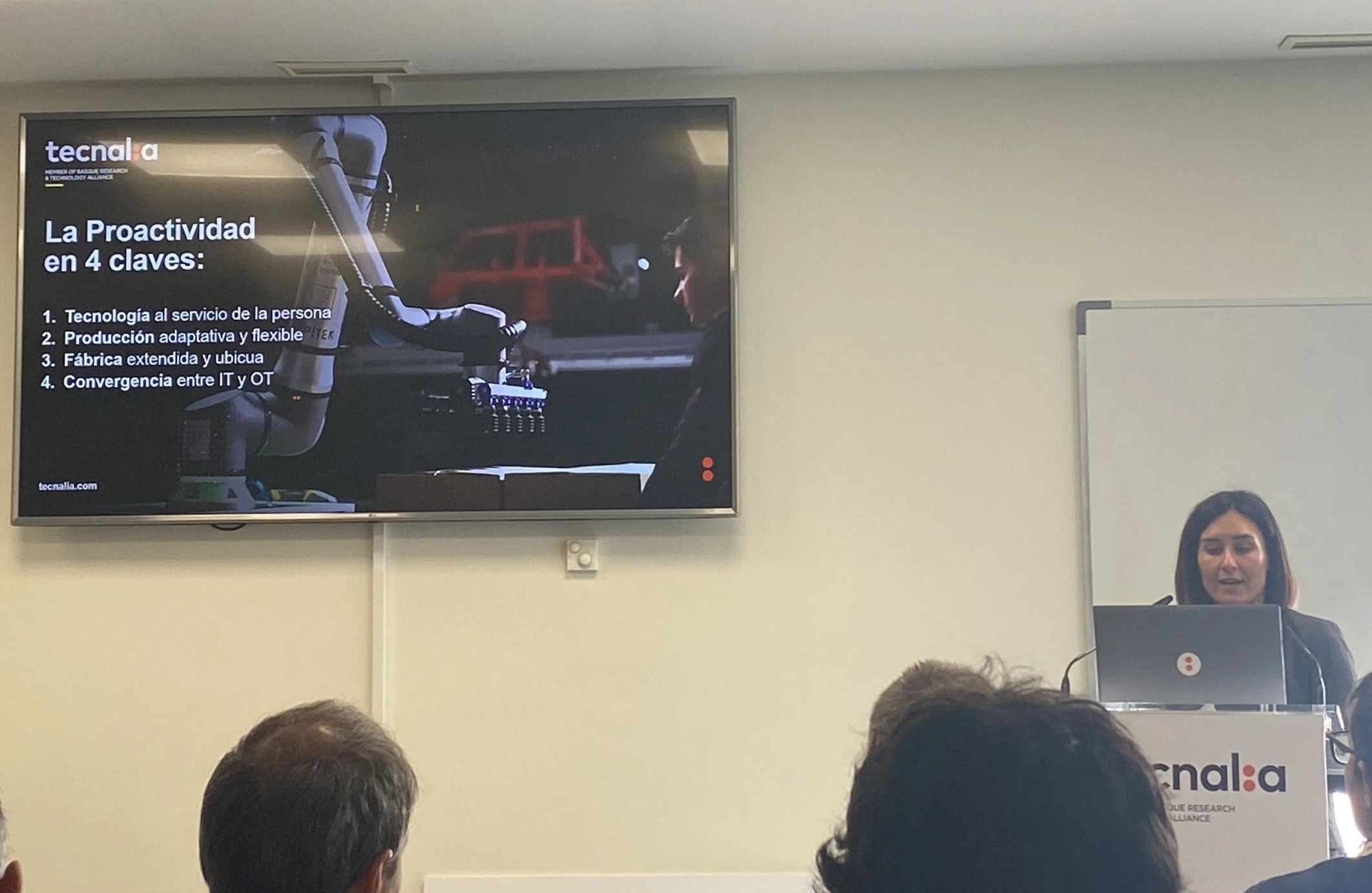
The event, organized by AFM and Tecnalia, provided an opportunity to learn about projects at a high level of maturity and their application to real-world industrial scenarios
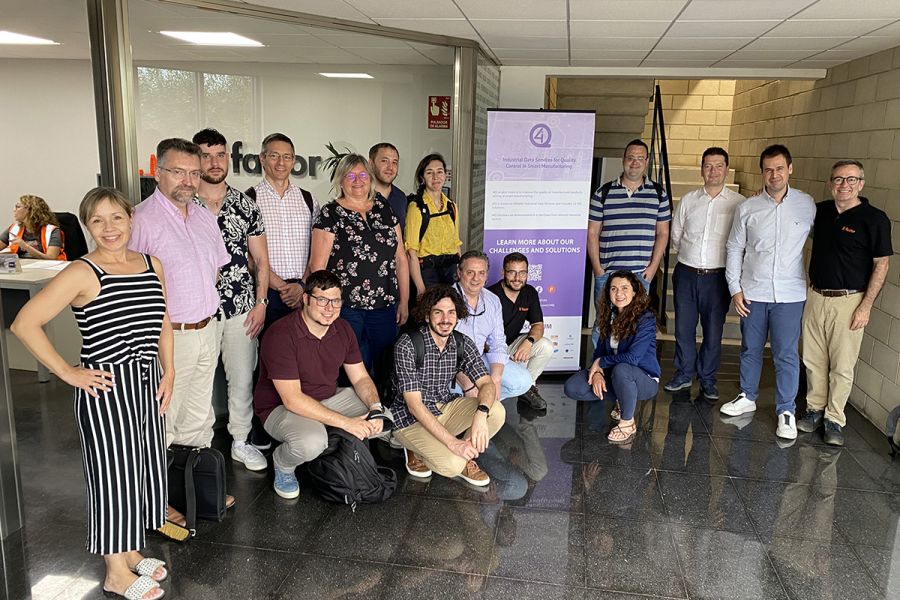
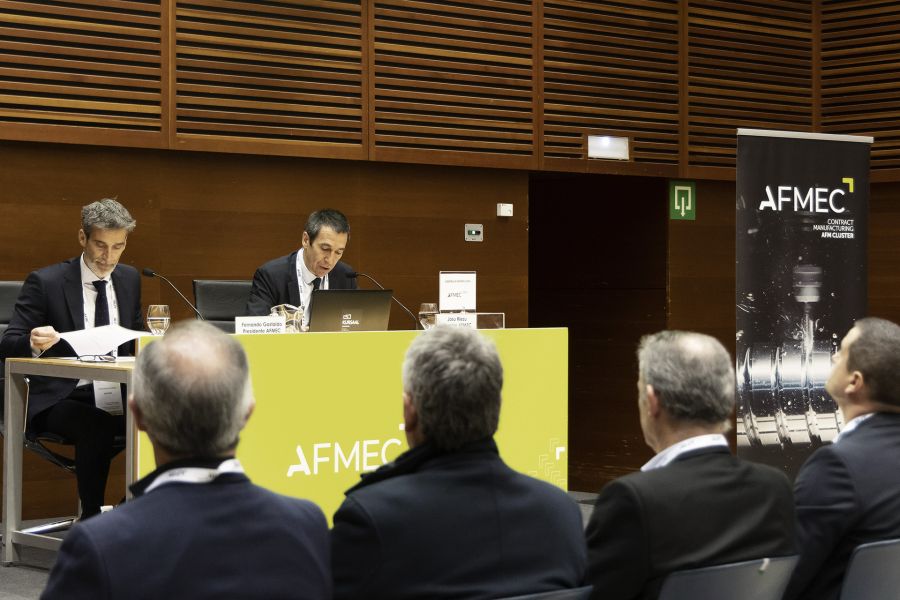
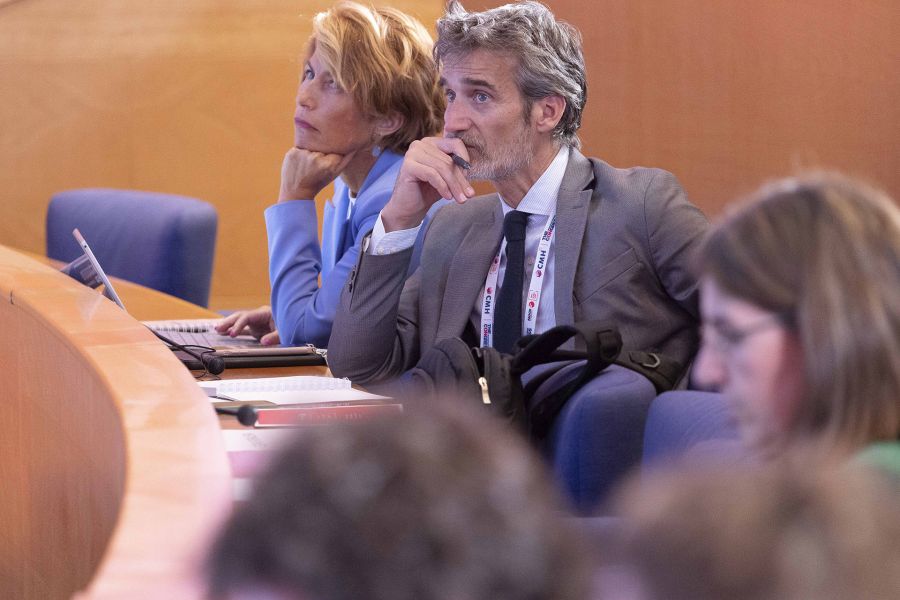
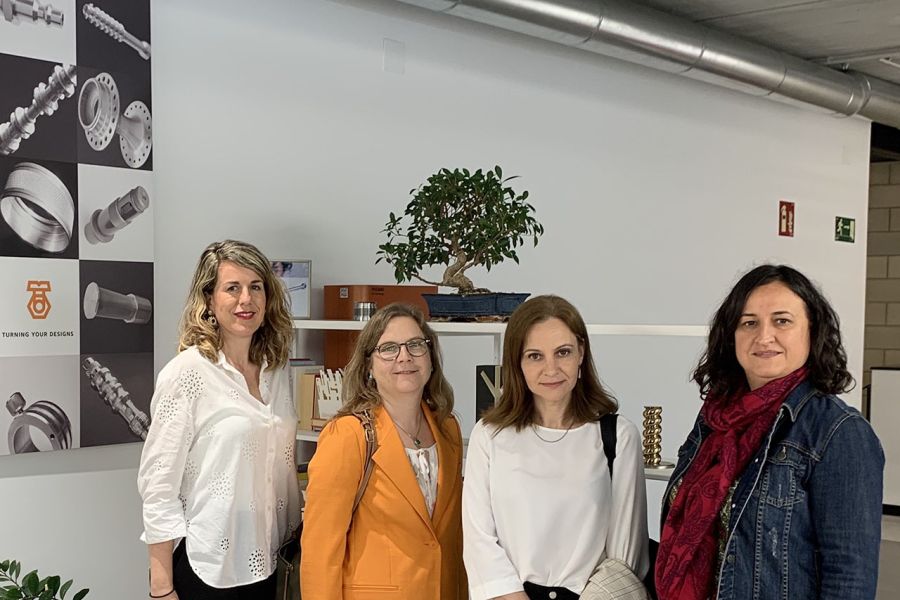
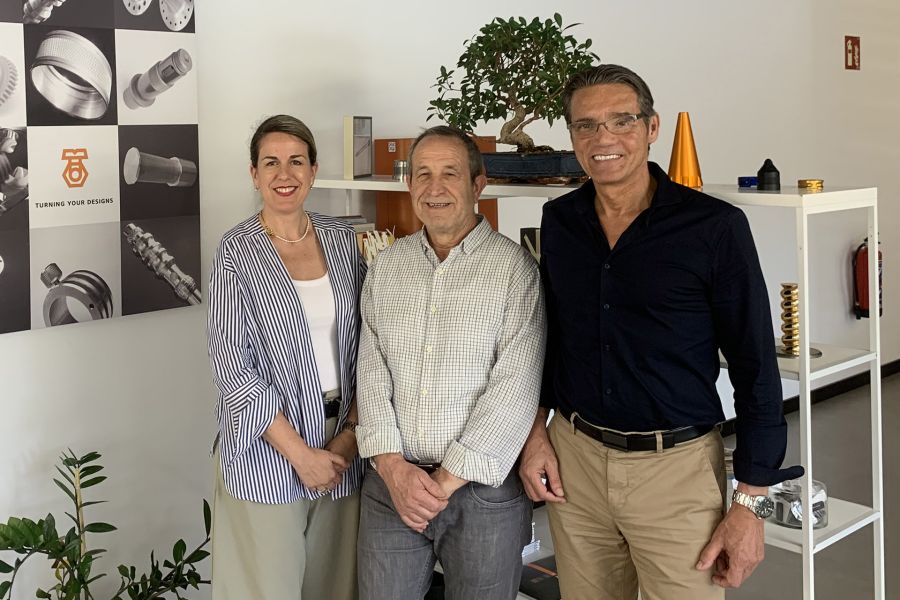
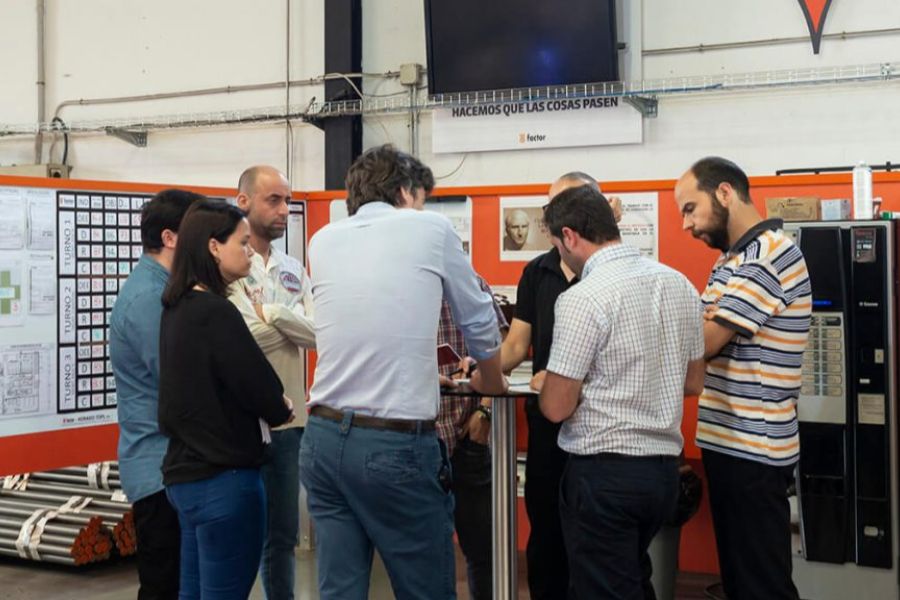
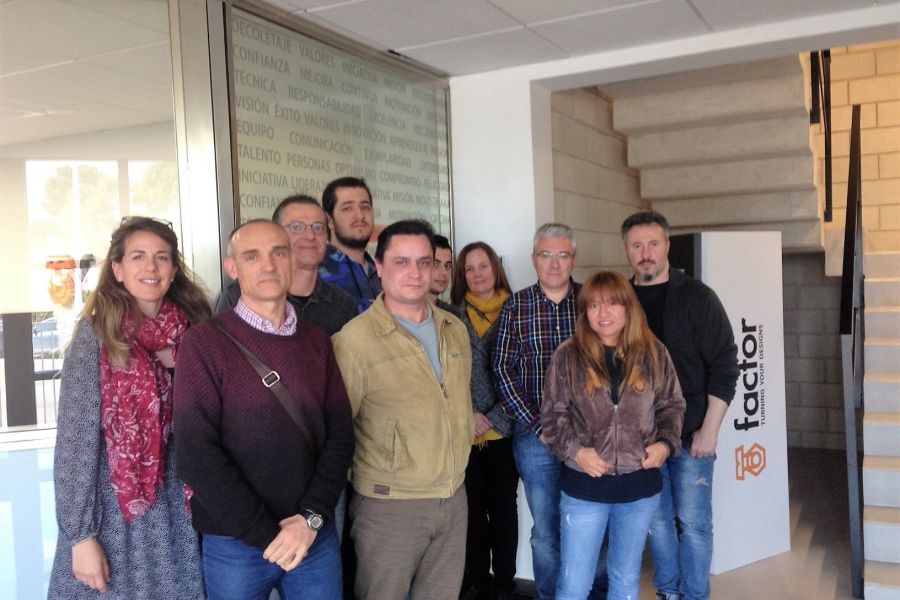
Alfredo Giménez, Head of Innovation, and Paula Castrillo Ferrer, Innovation Project Manager, recently participated on behalf of Factor in an event jointly organized by AFM Advanced Manufacturing Technologies and Tecnalia Research & Innovation, which included visits to the facilities of Tecnalia and CEIT Technology Center.
The event provided a first-hand look at developments related to robotics, artificial intelligence, and engineering applied to industrial environments where efficiency and precision are critical.
Robotics, Artificial Intelligence, and Applied Innovation
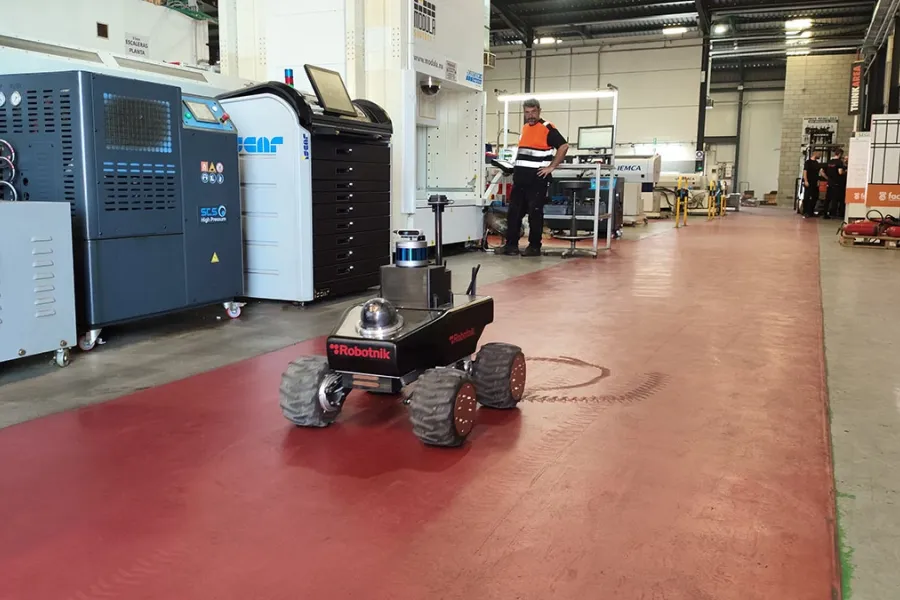
During the visit to Tecnalia, the team learned about advanced robotics solutions geared toward flexible automation, artificial intelligence applications in industrial processes, and engineering projects focused on improving efficiency and productivity.
Among the developments that sparked the most interest were a robotic crane and various systems for recovering high-value parts through a combination of digital reconstruction and repair technologies.
One of the most significant aspects was the high level of maturity of the solutions presented and their application to real-world industrial scenarios.
“These types of meetings allow us to stay up to date on key technological trends for the sector, identify opportunities for collaboration with leading technology centers, align our innovation strategy with current market conditions, and strengthen our network of contacts within the industrial and technological ecosystem,” explains Alfredo Giménez.
Challenges Facing the International Industry
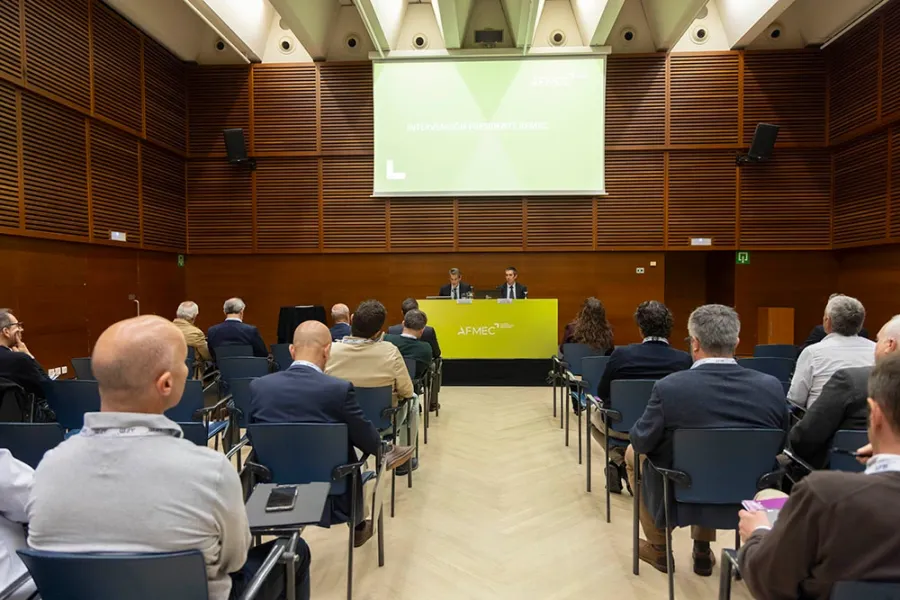
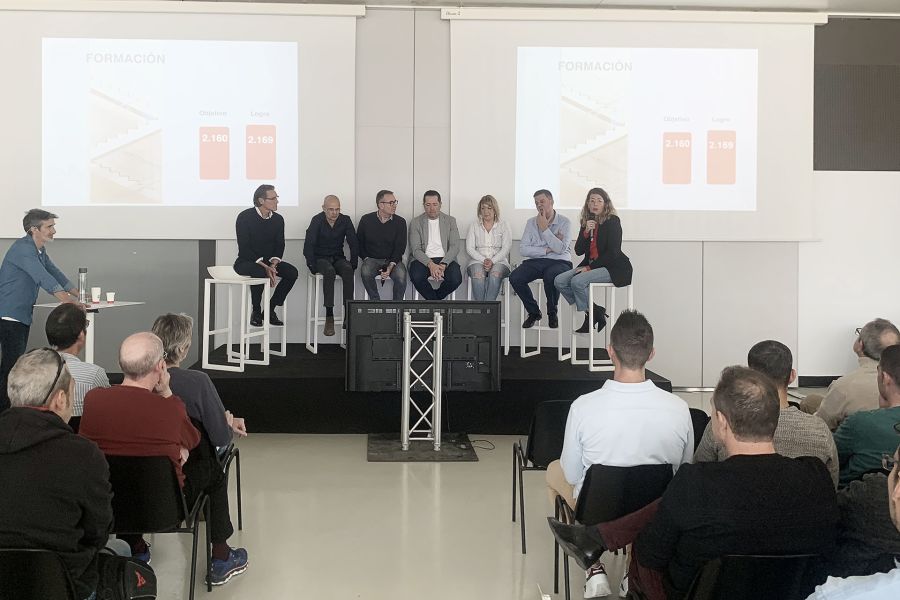
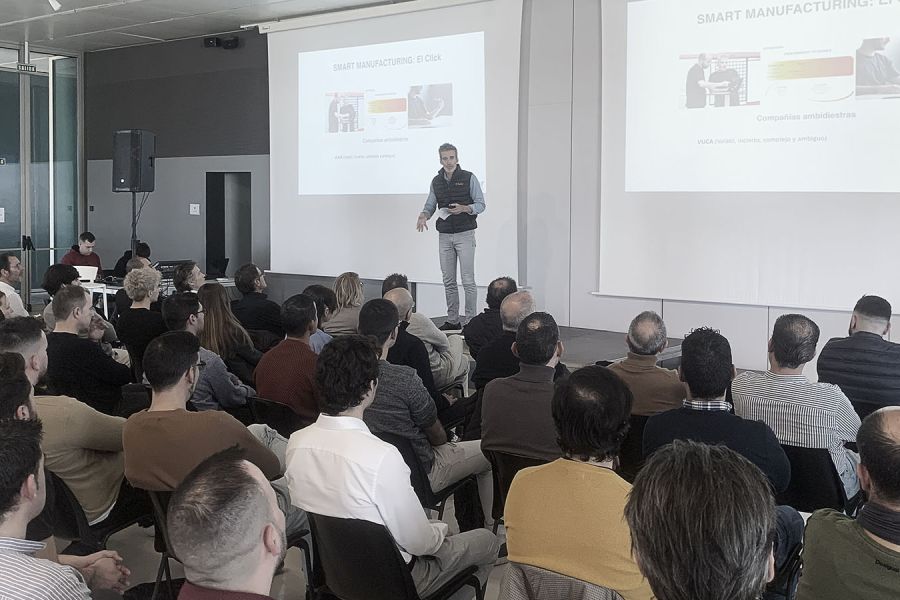
The program also included an analysis of the global outlook for the machining industry, presented by Patricia Tamés Ortega of AFM, who addressed the sector’s main challenges and opportunities arising from the adoption of new technologies and adaptation to new production models.
Among the key issues highlighted were the need to design products tailored to actual needs, avoiding over-engineering, as well as adapting processes to new production models.
The importance of collaboration and innovation in maintaining the industrial sector’s market position and competitiveness was also emphasized.
Digital Communications and Precision Sensing
The visit continued at CEIT Technology Center, where technologies applied to industry—such as materials engineering, chemical processes, and industrial telecommunications—were presented.
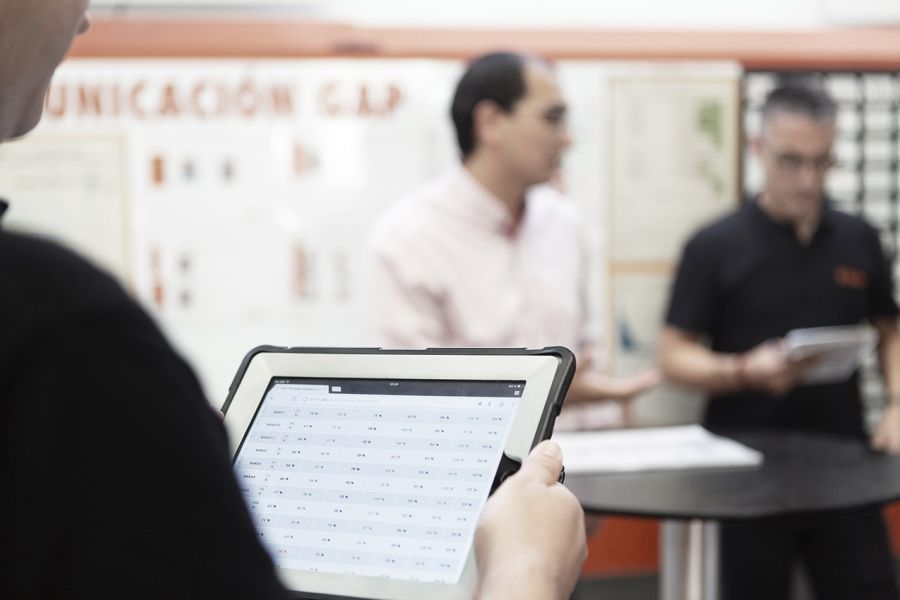
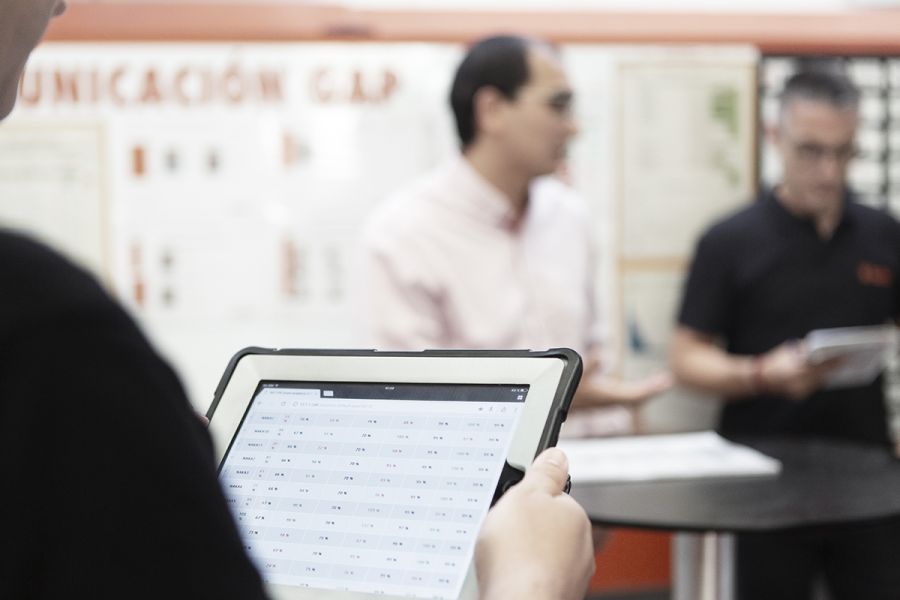
During the tour, the group also discussed digital communications on the shop floor and precision sensing solutions for the chemical monitoring of metalworking fluids.
The meeting provided an opportunity to identify new ideas and potential avenues for collaboration with technology centers to accelerate the adoption of digital technologies and the integration of automation and data analytics, thereby reinforcing a practical innovation strategy applied to specific needs and focused on industrial outcomes.